
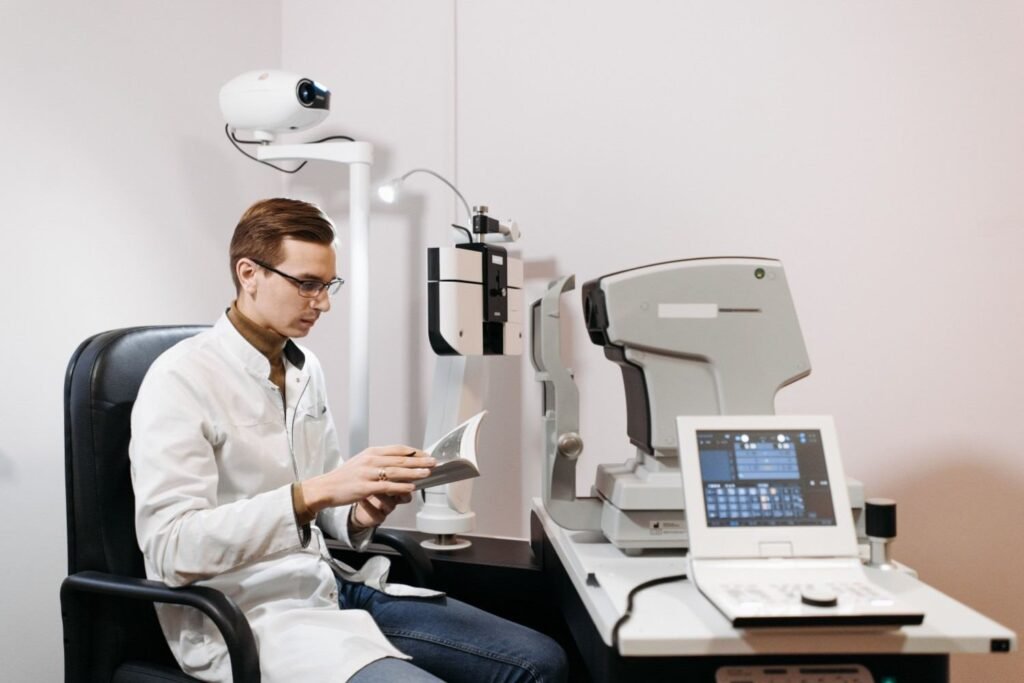
Regular eye examinations are important for maintaining healthy vision at every age. Many people visit an eye specialist only when they experience blurred vision, headaches, or eye discomfort. However, some eye conditions develop without noticeable symptoms. Consulting an experienced Ophthalmologist in North Delhi helps identify potential problems early and supports better eye health. According to Bhagwati Hospital, routine eye check-ups should be part of everyone’s healthcare routine, whether they wear glasses or have naturally clear vision.
For fast information, direct chat with us on WhatsApp.
Why Are Routine Eye Examinations Important?
Your eyes can change gradually without showing obvious warning signs. Regular examinations help detect vision changes and identify eye conditions before they become serious.
A comprehensive eye examination may include:
- Checking visual sharpness and clarity.
- Measuring eye pressure to assess glaucoma risk.
- Examining the retina and optic nerve.
- Checking eye coordination and movement.
- Identifying refractive errors such as nearsightedness and farsightedness.
At Bhagwati Hospital, awareness about preventive eye care is important for helping individuals understand the value of timely examinations.
How Often Should Adults Visit an Ophthalmologist?
The frequency of eye examinations depends on age, medical history, and existing eye conditions. Even adults with good eyesight should follow an appropriate examination schedule.
Here are some general recommendations for adults without known eye problems:
Adults Under 40 Years
Adults with healthy eyes and no risk factors may need comprehensive examinations every 5–10 years, depending on their previous findings and eye health. However, contact lens users and people experiencing vision changes may require more frequent visits.
Adults Between 40 and 54 Years
After the age of 40, the risk of certain eye conditions gradually increases. Comprehensive eye examinations every 2–4 years are generally recommended for adults without additional risk factors.
Adults Between 55 and 64 Years
Age-related changes can affect vision and overall eye health. An examination every 1–3 years is generally recommended for adults without known risk factors.
Adults Above 65 Years
Older adults have a higher risk of developing cataracts, glaucoma, and age-related macular degeneration. Comprehensive eye examinations every 1–2 years are generally recommended.
An experienced Ophthalmologist in North Delhi can suggest a suitable examination schedule based on individual eye health.
How Often Should Children Have Eye Examinations?
Children need regular eye check-ups because their vision continues to develop throughout childhood. Undetected vision problems can affect reading, classroom performance, and everyday activities.
The American Optometric Association recommends the following general examination schedule for children:
- Birth to 2 years: An eye examination between 6 and 12 months.
- 3 to 5 years: At least one examination between these ages.
- 6 to 17 years: An examination before starting first grade and annually thereafter.
Children with a family history of eye problems or existing vision difficulties may need more frequent examinations.
Parents should consult an Ophthalmologist in North Delhi if their child frequently rubs their eyes, squints while watching television, complains of headaches, or struggles to read.
Bhagwati Hospital encourages parents to pay attention to these early warning signs rather than waiting for children to report serious discomfort.
Signs That You Should Not Ignore
Sometimes, waiting for your next scheduled appointment is not advisable. Certain symptoms require prompt medical attention.
Watch out for:
- Sudden blurred or reduced vision.
- Persistent eye redness or irritation.
- Frequent headaches associated with vision problems.
- Eye pain or unusual sensitivity to light.
- Double vision or difficulty focusing.
- Sudden flashes of light or new floaters.
Sudden vision loss, severe eye pain, or flashes accompanied by a sudden increase in floaters require urgent assessment.
Seeking timely guidance from an Ophthalmologist in North Delhi can help identify the cause and determine the appropriate treatment.
Who Needs More Frequent Eye Check-Ups?
Some individuals may require eye examinations more frequently than the general recommendations.
These include:
- People living with diabetes or high blood pressure.
- Individuals with a family history of glaucoma.
- People who regularly wear contact lenses.
- Individuals with previous eye injuries or surgeries.
- Patients diagnosed with existing eye conditions.
For example, adults with type 2 diabetes generally need an eye examination at diagnosis and at least annually afterwards. The schedule may change depending on examination findings.
Bhagwati Hospital highlights the importance of personalised eye care, particularly for individuals with medical conditions that may affect their vision.
Visit: https://share.google/rave6dlm0sIZNUrjz
How Can You Maintain Good Eye Health?
Along with routine examinations, simple daily habits can help protect your eyes.
- Follow the 20-20-20 rule during prolonged screen use.
- Eat a balanced diet containing green vegetables and fruits.
- Wear appropriate sunglasses outdoors.
- Avoid rubbing your eyes with unwashed hands.
- Maintain proper contact lens hygiene.
- Take regular breaks from digital screens.
- Follow your eye specialist’s recommendations.
These habits support eye health but do not replace professional examinations.
Frequently Asked Questions
Can children need glasses even without complaints?
Yes. Some children do not recognise or communicate vision difficulties. Regular examinations can identify these problems.
Are eye examinations necessary if I have clear vision?
Yes. Some eye conditions develop without noticeable changes in vision.
Should adults with diabetes visit an ophthalmologist regularly?
Yes. People with diabetes generally need regular examinations to monitor their retinal health.
Can excessive screen time damage eyesight?
Prolonged screen use can cause digital eye strain, dryness, and temporary blurred vision. Regular breaks can help.
Conclusion
Routine eye examinations are essential for protecting vision and identifying potential eye problems early. Adults should follow an examination schedule based on their age and risk factors, while children need regular assessments as their eyes develop. Do not wait for noticeable symptoms before seeking professional advice. Bhagwati Hospital encourages individuals and families to prioritise preventive eye care and consult a qualified Ophthalmologist in North Delhi for appropriate guidance. Taking small steps towards regular eye check-ups today can support healthier vision in the future.
If you’re looking for a trusted partner in your journey to parenthood, look no further than Bhagwati Hospital. Visit https://bhagwatihospital.in/ today and take the first step toward making your dreams come true.