
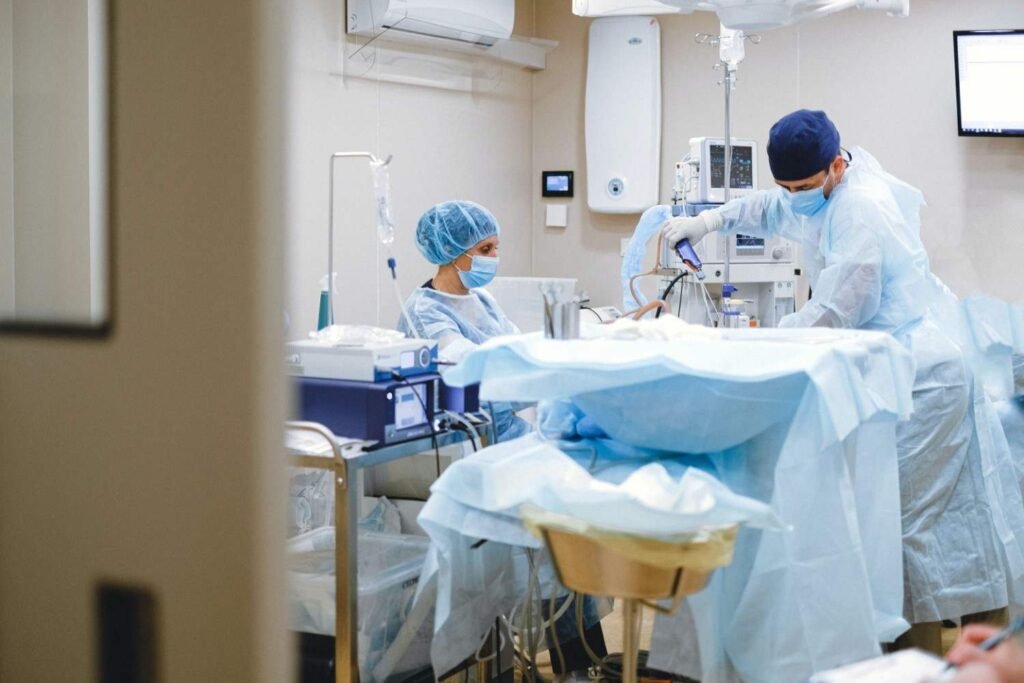
Uterine polyps and fibroids can affect menstrual health, daily comfort, and sometimes fertility. The good news is that suitable cases can be treated with minimally invasive techniques. Hysteroscopic Surgery in North Delhi may help remove certain growths from inside the uterus without making an incision in the abdomen. At Bhagwati Hospital, patients can consult a gynaecologist to understand their symptoms, diagnosis, and available treatment options.
For fast information, direct chat with us on WhatsApp.
What Are Uterine Polyps and Fibroids?
Uterine polyps are growths that develop from the inner lining of the uterus. They are often non-cancerous, but they may cause irregular periods, bleeding between periods, or bleeding after menopause.
Fibroids are usually non-cancerous growths made of muscle tissue. Their symptoms depend on their size and location. Some women experience heavy menstrual bleeding, pelvic pressure, period pain, or difficulty conceiving. Others may have no noticeable symptoms.
Not every polyp or fibroid needs surgery. A gynaecologist can recommend treatment based on its size, location, symptoms, and the patient’s reproductive plans.
How Does Hysteroscopic Surgery Work?
Hysteroscopy allows a doctor to examine the inside of the uterus using a thin instrument with a camera. The instrument passes through the vagina and cervix, so an abdominal incision is generally not needed.
During treatment, the doctor may use specialised instruments to remove a polyp or a suitable fibroid projecting into the uterine cavity. The procedure is called hysteroscopic polypectomy for polyps and hysteroscopic myomectomy for selected fibroids.
The type of anaesthesia, treatment setting, and recovery time depend on the patient’s condition and the planned procedure.
Can Hysteroscopic Surgery Remove Both Polyps and Fibroids?
Yes, hysteroscopic surgery can remove many uterine polyps and selected fibroids. However, suitability depends on where the growth is located and how large or deeply embedded it is.
Removing Uterine Polyps
Polyps inside the uterine cavity can sometimes be removed during hysteroscopy. This may help manage abnormal bleeding when the polyp is responsible for the symptoms. The removed tissue may also be sent for laboratory examination when advised.
Treating Suitable Uterine Fibroids
Hysteroscopic surgery is generally considered for submucosal fibroids, which grow beneath the uterine lining and project into the cavity. These fibroids may contribute to heavy periods or fertility difficulties.
Fibroids located deeper within the uterine wall or on the outside of the uterus may require a different approach. Your doctor will assess the scan findings and recommend an appropriate treatment plan.
Who May Benefit From Hysteroscopic Surgery in North Delhi?
A gynaecologist may consider Hysteroscopic Surgery in North Delhi for women who have:
- Heavy or prolonged menstrual bleeding.
- Bleeding between periods.
- A uterine polyp identified during an examination.
- A suitable fibroid affecting the uterine cavity.
- Selected fertility concerns linked to a uterine growth.
An ultrasound or other investigations may be needed before treatment. In some cases, observation or medication may be appropriate instead of surgery.
What Are the Benefits of Hysteroscopic Surgery?
For suitable patients, hysteroscopic surgery offers several potential benefits:
- No abdominal incision: The procedure is performed through the natural passage into the uterus.
- Targeted treatment: The doctor can directly view the uterine cavity and treat the identified growth.
- Symptom improvement: Removing a polyp or suitable fibroid may reduce bleeding caused by that growth.
- Recovery considerations: Many patients can return home the same day, depending on the procedure and anaesthesia used.
Results vary from person to person. Surgery also carries risks, including bleeding, infection, and, rarely, injury to the uterus. Your doctor should explain the benefits and risks before treatment.
Recovery After Hysteroscopic Surgery
Mild cramps and light vaginal bleeding or spotting may occur for a few days after the procedure. Recovery depends on the extent of treatment and whether anaesthesia was used.
Follow the instructions provided by your healthcare team regarding rest, pain relief, exercise, and sexual activity. Seek medical advice promptly if you develop severe or worsening pain, heavy bleeding, fever, or unusual-smelling vaginal discharge.
How Bhagwati Hospital Can Help
At Bhagwati Hospital in Sector 13, Rohini, Delhi, patients can seek gynaecological assessment for abnormal bleeding, uterine polyps, fibroids, and related concerns. The hospital provides women’s healthcare services and fertility-related care, including hysteroscopic procedures for appropriate cases.
The team at Bhagwati Hospital can help patients understand their investigation results and discuss suitable options based on their health needs. If you are considering Hysteroscopic Surgery in North Delhi, a consultation can help clarify whether hysteroscopy is appropriate or another treatment may be better.
Visit: https://share.google/rave6dlm0sIZNUrjz
Conclusion
Hysteroscopic surgery can be an effective option for removing uterine polyps and selected fibroids that affect the inside of the uterus. It may help relieve bleeding symptoms and address certain uterine cavity problems without an abdominal incision. However, treatment depends on the size and location of the growth, symptoms, and individual health needs.
For guidance on Hysteroscopic Surgery in North Delhi, consult the gynaecology team at Bhagwati Hospital. A proper assessment can help you understand your options and make an informed decision about your care.
FAQs
Can hysteroscopy remove uterine polyps?
Yes, many polyps inside the uterus can be removed during hysteroscopy.
Can all fibroids be removed this way?
No. Hysteroscopy is mainly used for selected fibroids that project into the uterine cavity.
Is hysteroscopic surgery painful?
Some discomfort or cramping may occur. Pain relief or anaesthesia options depend on the procedure.
How long does recovery take?
Many patients recover within a few days, but the time varies with the procedure and individual health.
If you’re looking for a trusted partner in your journey to parenthood, look no further than Bhagwati Hospital. Visit https://bhagwatihospital.in/ today and take the first step toward making your dreams come true.