
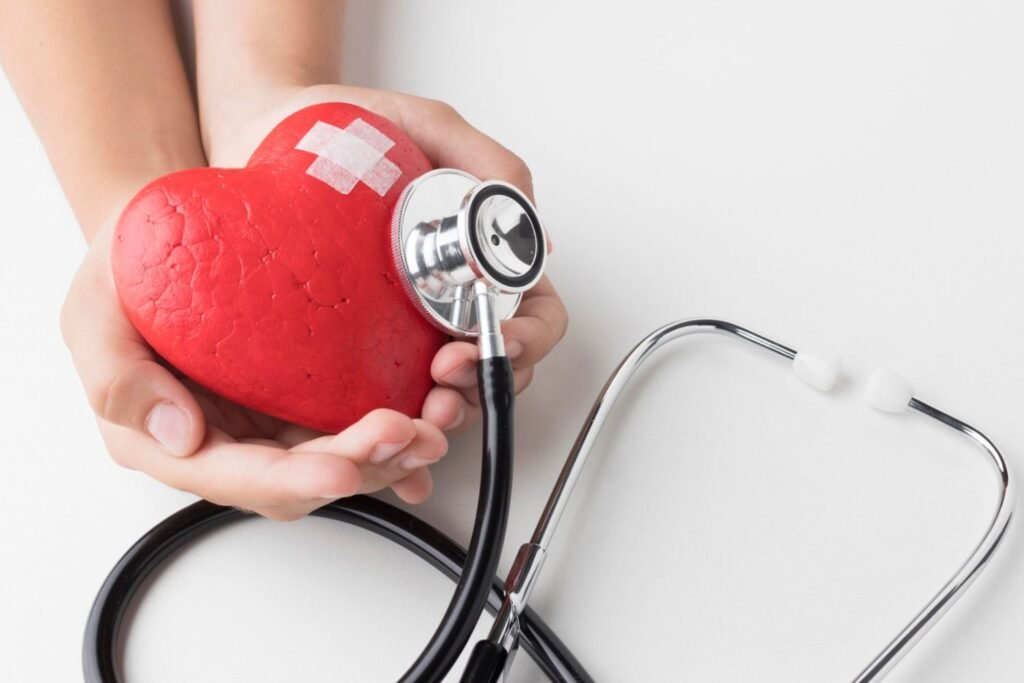
High blood pressure rarely causes noticeable symptoms, but its effects on the heart can develop over many years. When blood pushes too forcefully against artery walls, the heart has to work harder than usual. Over time, this extra strain can damage blood vessels and increase the risk of a heart attack. If you are concerned about your readings or have a family history of heart disease, consulting a Cardiologist in North Delhi can help you understand your risk and take practical steps to protect your health.
The encouraging news is that high blood pressure can often be controlled. Regular check-ups, healthy daily habits, and the right treatment can make a meaningful difference.
For fast information, direct chat with us on WhatsApp.
What Happens to Your Heart When Blood Pressure Stays High?
Your heart pumps blood throughout the body through a network of blood vessels. Healthy arteries expand and contract to allow blood to flow smoothly. However, persistently high blood pressure places additional stress on these vessels.
Over time, the inner walls of the arteries may become damaged. Fatty deposits containing cholesterol can then accumulate, causing the arteries to narrow. This process, called atherosclerosis, can reduce the amount of oxygen-rich blood reaching the heart muscle.
A heart attack may occur when a blood clot suddenly blocks blood flow through a coronary artery. The longer the blockage continues, the greater the potential damage to the heart muscle.
High blood pressure does not mean that a heart attack is inevitable. However, leaving it unmanaged can increase the risk. Early assessment by a Cardiologist in North Delhi may help identify other contributing factors and guide appropriate care.
Why High Blood Pressure Often Goes Unnoticed
One of the biggest challenges with hypertension is that many people feel perfectly healthy despite having elevated readings. They may continue working, exercising, and following their usual routines without realizing that their blood vessels are under strain.
Headaches, dizziness, and tiredness are sometimes associated with high blood pressure, but these symptoms are not reliable ways to diagnose it. A blood pressure measurement is the most dependable way to identify the condition.
This is why routine screening matters, particularly for people with diabetes, high cholesterol, excess body weight, or a family history of cardiovascular disease.
Checking your blood pressure regularly can help detect a problem before it leads to complications.
Who Should Pay Closer Attention to Heart Health?
Anyone can develop high blood pressure, although certain factors increase the likelihood of developing hypertension or heart disease.
These include:
- Diabetes: Elevated blood sugar can damage blood vessels and increase cardiovascular risk.
- High cholesterol: Excess LDL cholesterol can contribute to plaque buildup in arteries.
- Smoking: Tobacco damages blood vessels and increases the risk of blood clots.
- Limited physical activity: An inactive lifestyle can contribute to weight gain and poor cardiovascular health.
- Excess salt intake: Too much sodium can raise blood pressure in people who are sensitive to it.
- Family history: Having close relatives with hypertension or heart disease may increase your risk.
Age, kidney disease, sleep problems, and certain medicines can also influence blood pressure.
A consultation with a Cardiologist in North Delhi can help you understand how these factors apply to your health rather than relying on general advice alone.
Everyday Changes That Help Protect Your Heart
Managing blood pressure does not always require dramatic lifestyle changes. Small adjustments, followed consistently, can support better cardiovascular health.
Make sensible changes to your diet
Include more vegetables, fruits, whole grains, pulses, and other minimally processed foods in your meals. Reduce excess salt and limit foods high in saturated fat. Reading food labels can also help you identify hidden sodium in packaged products.
Find a physical activity you enjoy
Walking, cycling, swimming, and other suitable activities can support heart health. Many adults benefit from around 150 minutes of moderate-intensity aerobic exercise each week. Start at a comfortable level and seek medical advice if you have symptoms or other health concerns.
Keep an eye on your readings
A home blood pressure monitor can help you track changes over time. Measure your blood pressure while seated and rested, and follow the device instructions. Share your readings with your doctor so that treatment decisions are based on reliable information.
Take prescribed medicines consistently
Some people need medication in addition to lifestyle changes. Take it as directed, even when you feel well. Do not stop treatment simply because your readings have improved.
Make room for rest and recovery
Adequate sleep and effective stress management can support overall health. If you regularly snore heavily or feel unusually sleepy during the day, ask your doctor whether a sleep-related condition could be affecting your blood pressure.
https://share.google/rave6dlm0sIZNUrjz
When Is It Time to See a Heart Specialist?
Arrange a medical consultation if your blood pressure readings remain high, you have several cardiovascular risk factors, or you have concerns about your heart health. Your doctor may review your medical history, examine you, and recommend tests such as an ECG or blood investigations when appropriate.
People looking for a Cardiologist in North Delhi should focus on receiving an individual assessment and a clear plan for monitoring and treatment. The right approach depends on your readings, age, medical history, and other risk factors.
It is also important to recognize a possible emergency. Chest pressure or discomfort, sudden breathlessness, cold sweating, nausea, or pain spreading to the arm, back, neck, or jaw can indicate a heart attack.
Seek emergency medical help immediately if you experience these symptoms. Do not wait for a blood pressure reading or assume that the symptoms will pass.
Conclusion
High blood pressure can increase the risk of a heart attack by placing continuous strain on blood vessels and encouraging the development of artery blockages. Because hypertension often develops without obvious symptoms, knowing your blood pressure numbers is an important part of protecting your heart.
Bhagwati Hospital encourages people to take persistent high readings seriously and seek appropriate medical guidance. A balanced diet, regular exercise, consistent monitoring, and prescribed treatment can help reduce cardiovascular risk. With timely attention and a plan suited to your needs, you can take practical steps toward better heart health.
Frequently Asked Questions
Can high blood pressure increase the risk of a heart attack?
Yes. Persistent high blood pressure can damage arteries and contribute to the narrowing or blockage of blood vessels supplying the heart. This increases the risk of a heart attack.
Can I have high blood pressure without knowing it?
Yes. Hypertension often has no noticeable symptoms. Regular measurements are the best way to identify it.
Can controlling blood pressure reduce heart attack risk?
Yes. Controlling blood pressure through suitable lifestyle changes and prescribed medicines can lower cardiovascular risk, although it cannot eliminate every risk factor.
What should I do if my blood pressure reading is unusually high?
Sit quietly and repeat the measurement using the correct technique. If the reading is around 180/120 mmHg or higher, seek prompt medical guidance. If you also have chest pain, breathlessness, weakness, confusion, or vision changes, call emergency services immediately.
Do I need to take blood pressure medicine for life?
Not everyone has the same treatment needs. Many people require long-term medication, but decisions depend on their condition and response to treatment. Never change or stop medication without consulting your doctor.
If you’re looking for a trusted partner in your journey to parenthood, look no further than Bhagwati Hospital. Visit https://bhagwatihospital.in/ today and take the first step toward making your dreams come true.