
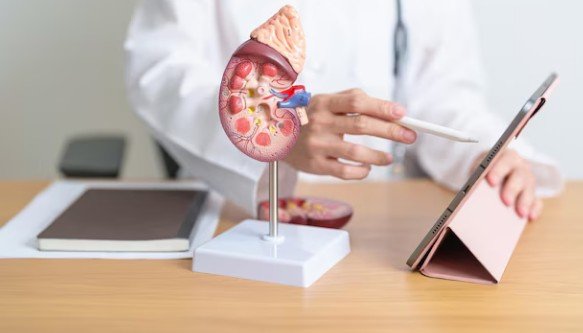
Kidney stones can begin with mild discomfort and sometimes become extremely painful. Because early symptoms may seem manageable, many people delay medical attention. However, recognizing the warning signs can help you seek timely care and prevent complications. If you experience recurring pain, changes in urination, or other unusual symptoms, consulting a healthcare professional is important. For people looking for Renal Stone Treatment in Ashok Vihar, Bhagwati Hospital provides a setting where symptoms can be evaluated and appropriate treatment can be considered.
For fast information, direct chat with us on WhatsApp.
What Are Kidney or Renal Stones?
Kidney stones are hard deposits that form inside the kidneys when certain substances in urine become concentrated and form crystals. They can vary in size and may remain in the kidney or move into the urinary tract.
Some small stones may pass naturally, while larger stones can cause significant pain or interfere with the normal flow of urine. The symptoms can also differ depending on the stone’s size, location, and movement.
Recognizing these symptoms early is an important part of seeking suitable Renal Stone Treatment in Ashok Vihar.
Common Symptoms of Kidney Stones
Severe Pain in the Side or Back
One of the most recognizable symptoms of kidney stones is sudden or intense pain in the side or lower back. The pain may come in waves and can vary in severity.
As a stone moves through the urinary tract, the location of the pain may change. It can sometimes spread toward the lower abdomen or groin. Severe or unexplained pain should not be ignored, especially when it develops suddenly.
Pain or Burning While Urinating
A kidney stone can cause discomfort when it moves closer to the bladder or passes through the urinary tract. You may notice burning, stinging, or pain during urination.
Although several urinary conditions can cause similar symptoms, persistent discomfort should be evaluated rather than treated based only on assumptions.
Frequent Urge to Urinate
Some people with kidney stones feel the need to urinate more frequently than usual. You may also feel an urgent need to use the bathroom even when only a small amount of urine is passed.
These changes can occur when a stone irritates the urinary tract. If frequent urination continues or occurs along with pain, medical assessment can help identify the underlying cause.
Blood in the Urine
Blood in the urine can occur when a kidney stone irritates or damages the lining of the urinary tract. Urine may appear pink, red, or brown, although blood is not always visible to the naked eye.
Blood in the urine should never be dismissed. Kidney stones are one possible cause, but other urinary conditions can also produce this symptom. A healthcare professional can determine what evaluation is appropriate.
Nausea and Vomiting
Intense pain caused by a kidney stone may be accompanied by nausea or vomiting. These symptoms can make it difficult to eat or drink normally.
If vomiting continues, maintaining adequate fluid intake may become difficult. This is another reason to seek medical attention rather than waiting for the symptoms to disappear on their own.
Warning Signs That Need Prompt Medical Attention
Some symptoms can indicate that a kidney stone requires urgent evaluation. Seek prompt medical care if you experience severe or persistent pain, fever or chills, repeated vomiting, difficulty passing urine, or significant changes in urination.
Fever and chills alongside urinary symptoms can be particularly concerning because they may indicate an infection. A blocked urinary tract combined with infection can require timely medical attention.
If symptoms are severe or worsening, do not rely on home remedies alone. Getting an appropriate evaluation can help determine whether you need Renal Stone Treatment in Ashok Vihar or another form of medical care.
How Are Kidney Stones Evaluated?
When you visit a healthcare professional with suspected kidney stone symptoms, the evaluation may involve discussing your symptoms and medical history. Depending on the situation, urine tests, blood tests, or imaging may be recommended.
The purpose of evaluation is not only to identify a stone but also to understand its location and whether it is affecting urinary flow. The findings can help the treating doctor determine the most suitable approach.
At Bhagwati Hospital, patients seeking Renal Stone Treatment in Ashok Vihar can discuss their symptoms with the medical team and undergo evaluation as advised.
Why You Should Not Ignore Recurrent Symptoms
Occasional discomfort may be easy to overlook, but recurring symptoms deserve attention. A stone that does not pass may continue to cause pain or interfere with the urinary tract.
Delaying evaluation can also make it harder to understand whether symptoms are caused by a kidney stone or another urinary condition. Early medical advice can provide clarity and help guide further management.
Bhagwati Hospital encourages patients to seek professional evaluation when symptoms are persistent, severe, or unusual rather than attempting to self-diagnose.
Treatment Depends on the Stone and Your Condition
Kidney stone treatment is not the same for everyone. The appropriate approach depends on factors such as the stone’s size and location, symptoms, and overall clinical situation.
Some stones may pass without an invasive procedure, while others may require medical or procedural treatment. A healthcare professional can assess the situation and explain the available options.
This is why choosing Renal Stone Treatment in Ashok Vihar should begin with proper evaluation rather than assuming that every stone can be managed in the same way.
Steps That Can Help You Stay Alert
Pay attention to changes in your urinary habits and any unexplained pain around the back, side, abdomen, or groin. Do not ignore blood in the urine, persistent burning while urinating, or repeated episodes of severe pain.
If you have already experienced kidney stones, follow the advice given by your healthcare professional regarding follow-up care and prevention. Avoid taking medications or relying on home remedies without appropriate medical guidance.
Conclusion
Kidney stones can cause symptoms ranging from urinary discomfort to intense pain. Side or back pain, painful urination, frequent urination, blood in the urine, nausea, and vomiting are symptoms that should be taken seriously, particularly when they are severe or persistent.
Timely evaluation can help identify the cause and determine whether treatment is required. If you are experiencing symptoms and searching for Renal Stone Treatment in Ashok Vihar, Bhagwati Hospital can help you take the next step toward appropriate medical evaluation and care.
If you’re looking for a trusted partner in your journey to parenthood, look no further than Bhagwati Hospital. Visit https://bhagwatihospital.in/ today and take the first step toward making your dreams come true.